
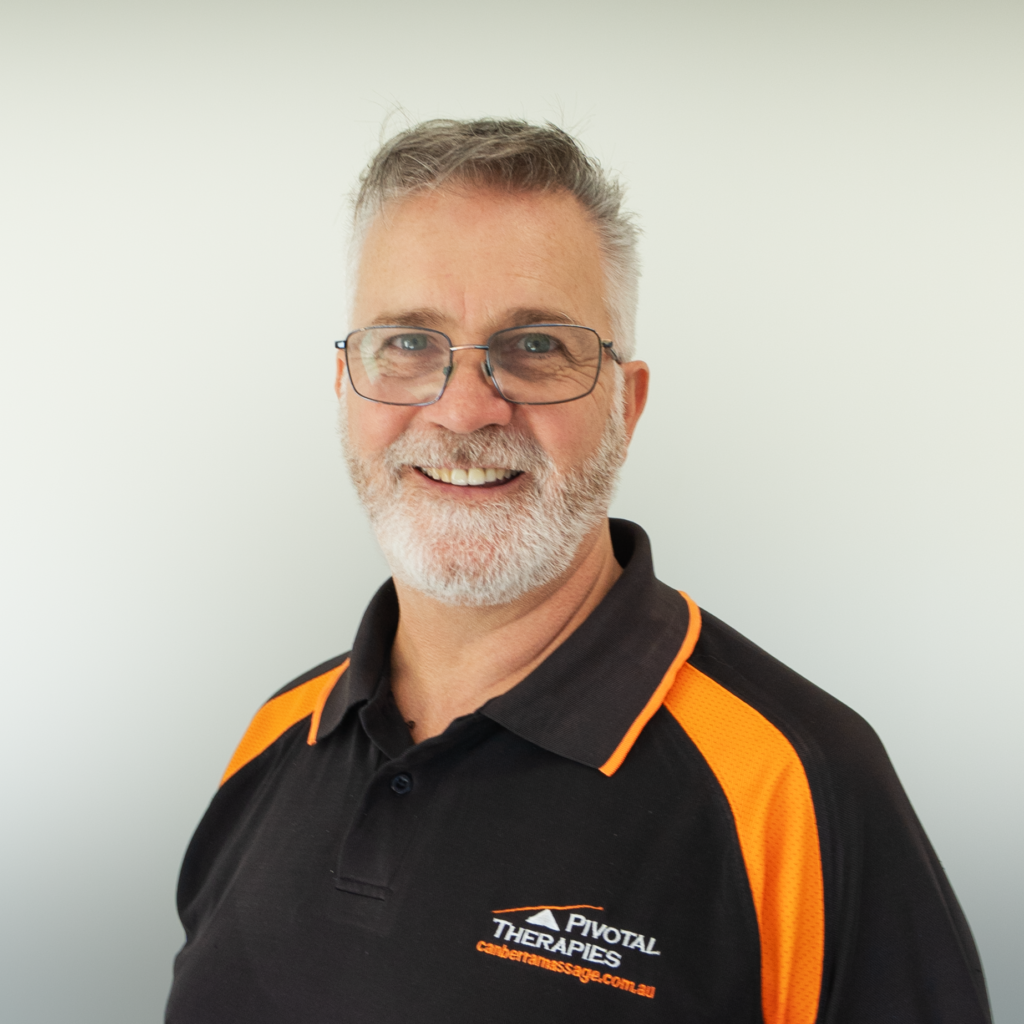
From desk-related tension to sporting performance, I help office workers and athletes move better and feel better. Backed by 34+ years of hands on experience
With over 34 years’ experience as a Remedial Massage Therapist, I work with a wide range of musculoskeletal conditions — from everyday work-related aches to sporting injuries.
Much of my career has been spent treating staff, Students and Public at The Australian National University, so I have extensive experience supporting people who spend long hours at a desk or computer.
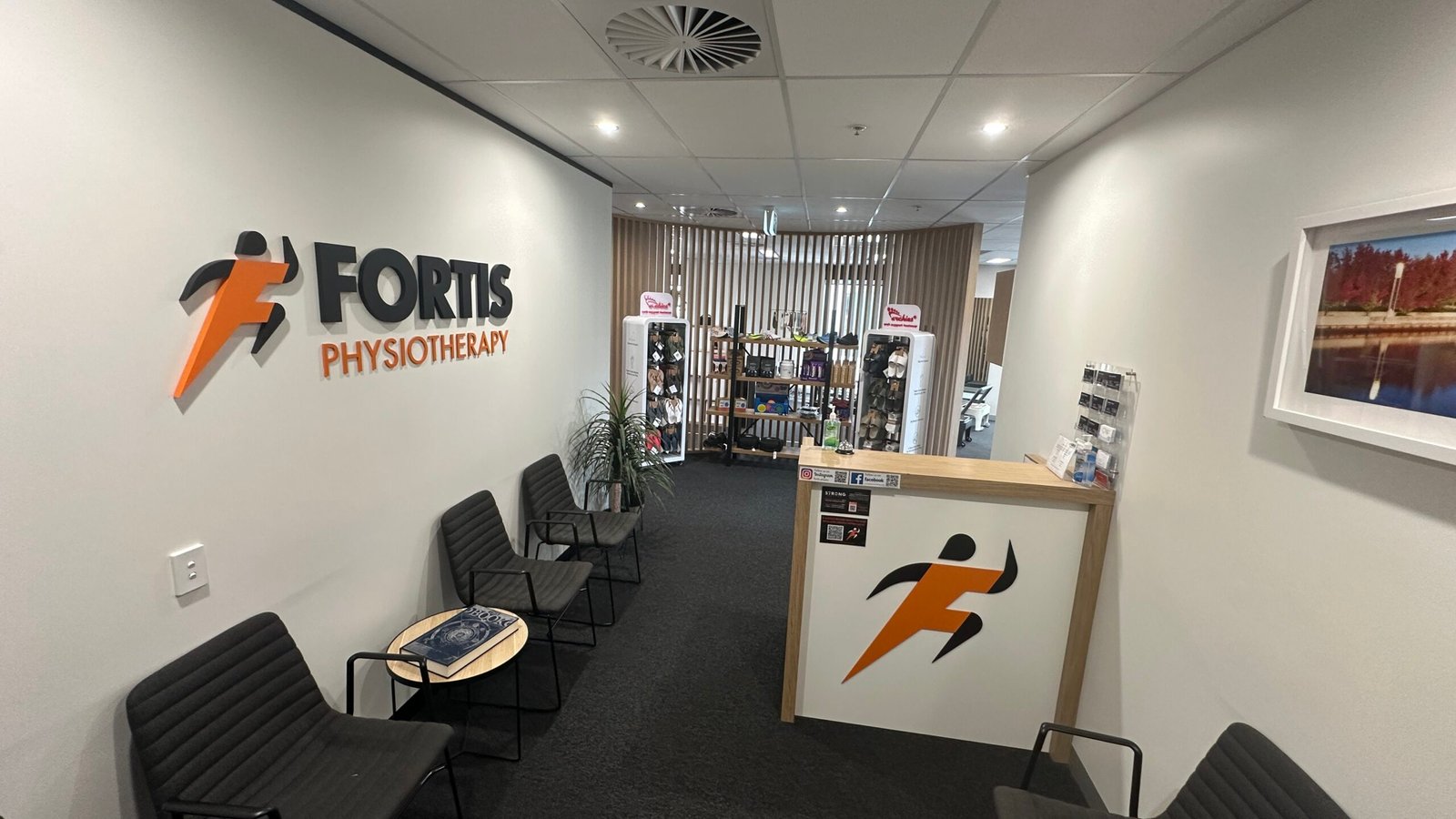
“Proud to practice with the Fortis physiotherapy team”
Common Work & Posture-Related Conditions :
I regularly help clients experiencing:
I began my career at the Australian Institute of Sport, where I trained as a Track and Field athlete for four years. Alongside my athletic development, I completed studies in Health, Sport and Recreation and gained practical experience working within the fitness industry.
I later returned to Melbourne to complete formal training in massage therapy, graduating in 1991. Since then, I have developed over 34 years of experience as a Remedial Massage Therapist, working with a broad range of musculoskeletal conditions—from everyday work-related tension to more complex sporting injuries.
I am also a Track and Field Level 3 Development Jumps Coach and have officiated as a Technical Officer in the jumps at the 2018 Commonwealth Games.
A significant part of my career has been dedicated to treating the public, as well as staff and students at The Australian National University. This experience has allowed me to support people from diverse backgrounds, helping them manage pain, improve mobility, and maintain long-term physical wellbeing.
“Proud to practice with the Fortis Physiotherapy team.”
Musculoskeletal pain and dysfunction involve the muscles, joints, tendons, ligaments, and surrounding connective tissues that support posture, movement, stability, and overall body function.
When these tissues become tight, overloaded, injured, or imbalanced, it can lead to pain, stiffness, reduced mobility, and altered movement patterns. This may occur gradually through posture and daily habits, or more suddenly through injury or overuse.
Massage therapy can help by addressing these contributing factors in several ways:
Over time, this can support better function, reduced discomfort, and improved resilience to physical stress.
While outcomes vary between individuals and conditions, massage therapy is often used as part of a broader approach to managing musculoskeletal pain, supporting recovery, and maintaining long-term physical wellbeing.
Trigger points are small, tight areas within a muscle that can feel like tender "knots" in a band of muscle tissue. They are common and can develop in almost any skeletal muscle in the body.
When pressed, trigger points may be painful and can sometimes cause a reaction such as a sudden sharp sensation, muscle tightness, or a brief "twitch" in the area. This tenderness is often more sensitive than expected for the amount of pressure applied.
One of the key features of trigger points is that they can also cause referred pain — meaning pain is felt in a different area of the body from where the tight spot is located. For example, a trigger point in the neck or shoulder may contribute to pain in the head, arm, or upper back. This pain does not follow nerve patterns and can appear as a consistent, recognisable pattern.
Trigger points often develop in the muscle belly and are usually quite small, but they can still have a significant effect on movement, comfort, and function. They are very common and can be present in people of all ages, even without causing pain. However, when they become active, they are often linked with ongoing muscle discomfort or restriction of movement.
Common contributing factors include:
How massage therapy can help
Treatment can help reduce the sensitivity of trigger points, release muscle tension, and improve movement. Over time, this can reduce pain, improve flexibility, and help restore normal muscle function.
Frequently Asked Question
How can massage therapy help with my health?
Massage therapy can support your health by helping to reduce muscle tension, ease pain, and improve movement. It is commonly used to assist with everyday aches and pains, postural strain (such as desk-related tension), and recovery from both work and sporting injuries.
It can also help improve flexibility and circulation, which supports the body's natural healing processes and may reduce stiffness over time.
Many people find massage helpful for stress management as well, as it can promote relaxation, improve sleep quality, and calm the nervous system. It may also assist with tension-related headaches and general discomfort caused by tight muscles.
While not a substitute for medical care, massage therapy can be an effective part of a broader approach to maintaining good health and wellbeing.
Does massage therapy have side effects?
Massage therapy is generally very safe, but some people may experience mild and temporary effects afterwards.
The most common side effect is slight muscle soreness or tenderness, similar to how you might feel after exercise. Some people may also feel relaxed, tired, or occasionally experience a mild headache or light bruising, depending on the type of treatment.
These effects are usually short-lived and settle within 24–48 hours.
If you have an injury, medical condition, or are unsure if massage is suitable for you, it's best to discuss this before treatment so it can be tailored appropriately.
Every massage appointment begins with a brief assessment to understand your current condition and ensure your treatment is safe, effective, and tailored to your needs.
The process usually starts with a short discussion about your main concerns, including any pain, tightness, or movement restrictions you may be experiencing. You may also be asked about your general health, lifestyle, work demands, exercise habits, and any previous injuries or treatments.
This information helps identify possible contributing factors such as posture, muscle imbalance, overuse, or stress-related tension.
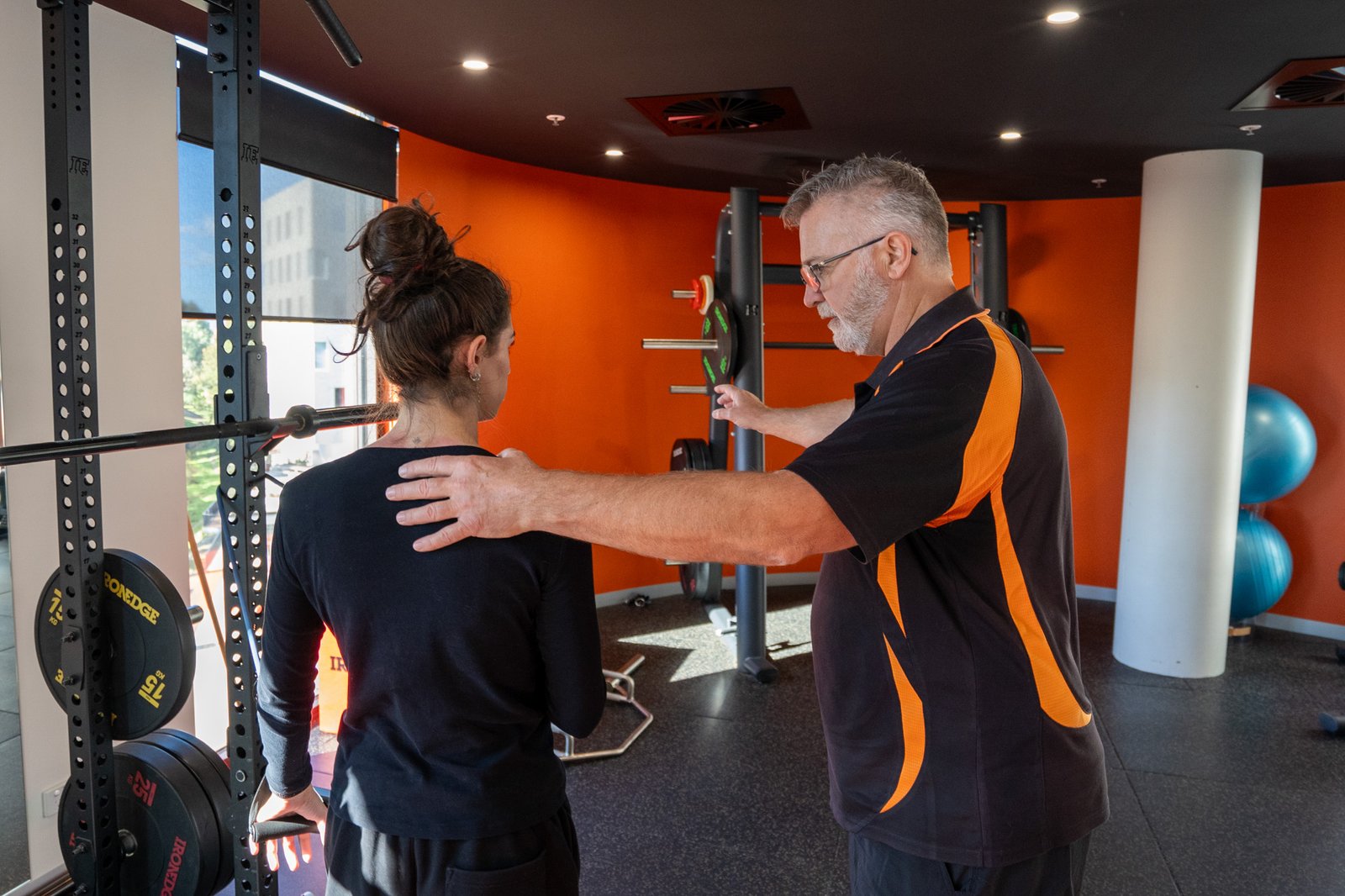
Following this discussion, a physical assessment may be carried out if appropriate. This can include observing posture, testing range of movement, and gently palpating (feeling) muscles to identify areas of tightness, sensitivity, or dysfunction.
Based on this assessment, a treatment plan is developed to address your specific needs. This may focus on relieving pain, improving mobility, reducing muscle tension, and supporting recovery or performance goals.
Your comfort is always a priority, and the assessment and treatment will be adjusted according to your preferences and tolerance.
Treatment involves targeted manual therapy techniques designed to address areas of pain, tightness, and dysfunction within the muscles and soft tissues.
Using a combination of hands-on methods, treatment is focused on releasing tension, improving circulation, and restoring normal movement patterns.
Rehabilitation principles are also integrated where appropriate, supporting recovery and helping to address the underlying causes of your condition.
Each treatment is tailored to the individual, with the goal of improving mobility, reducing discomfort, and supporting long-term physical wellbeing and performance.
Recovery is supported through a progressive, individualised plan designed to achieve lasting results and reduce the risk of recurrence.
Following your treatment, the focus shifts to maintaining improvements in pain, mobility, and function over time. This may include advice on movement, posture, activity modification, and simple strategies to help reduce ongoing strain in daily life, work, or sport.
Where appropriate, rehabilitation principles are incorporated to gradually restore strength, flexibility, and balanced movement patterns.
The aim is not only short-term relief, but also long-term improvement — helping you move better, recover more effectively, and prevent future issues from developing.
Restoring normal movement is an important part of recovery, especially when pain, stiffness, or injury has limited how freely your body moves.
The goal is to restore comfortable, functional movement so you can return to daily activities, work, or sport with greater ease and confidence.
Rebuilding strength and endurance is an important part of recovery, helping to support injured areas and reduce the risk of future issues.
The aim is to build strength gradually and safely, ensuring the body is well-supported for long-term recovery and performance.
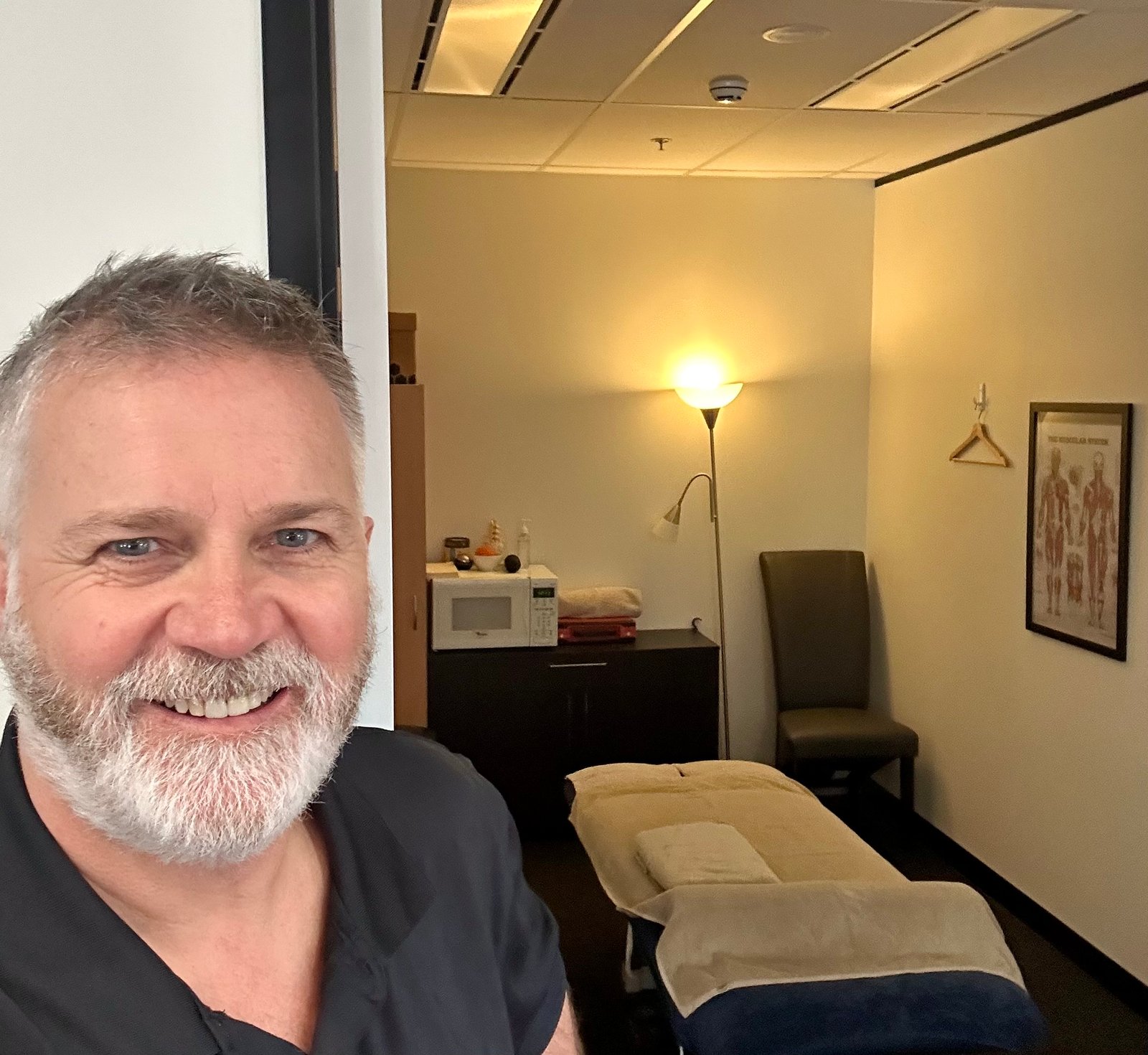
Every massage appointment begins with a brief assessment to understand your current condition
and ensure your treatment is safe, effective, and tailored to your needs.
The process usually starts with a short discussion about your main concerns, including any pain,
tightness, or movement restrictions you may be experiencing. You may also be asked about your
general health, lifestyle, work demands, exercise habits, and any previous injuries or treatments.
This information helps identify possible contributing factors such as posture, muscle imbalance,
overuse, or stress-related tension.
Following this discussion, a physical assessment may be carried out if appropriate. This can include:
Based on this assessment, a treatment plan is developed to address your specific needs. This may
focus on relieving pain, improving mobility, reducing muscle tension, and supporting recovery or
performance goals.
Your comfort is always a priority, and the assessment and treatment will be adjusted according to
your preferences and tolerance.
Treatment involves targeted manual therapy techniques designed to address areas of pain, tightness,
and dysfunction within the muscles and soft tissues.
Using a combination of hands-on methods, treatment is focused on releasing tension, improving
circulation, and restoring normal movement patterns. This may include working into specific areas
of restriction identified during your assessment to help reduce pain and improve function.
Rehabilitation principles are also integrated where appropriate, supporting recovery and helping to
address the underlying causes of your condition. This may involve guidance around movement,
posture, and activity to reduce strain and prevent recurrence.
Each treatment is tailored to the individual, with the goal of improving mobility, reducing
discomfort, and supporting long-term physical wellbeing and performance.
Treatment involves targeted manual therapy techniques designed to address areas of pain, tightness,
and dysfunction within the muscles and soft tissues.
Using a combination of hands-on methods, treatment is focused on releasing tension, improving
circulation, and restoring normal movement patterns. This may include working into specific areas
of restriction identified during your assessment to help reduce pain and improve function.
Rehabilitation principles are also integrated where appropriate, supporting recovery and helping to
address the underlying causes of your condition. This may involve guidance around movement,
posture, and activity to reduce strain and prevent recurrence.
Each treatment is tailored to the individual, with the goal of improving mobility, reducing
discomfort, and supporting long-term physical wellbeing and performance.
Restoring normal movement is an important part of recovery, especially when pain, stiffness, or
injury has limited how freely your body moves. Treatment is focused on gradually improving
mobility in a safe and structured way.
The process typically involves:
The goal is to restore comfortable, functional movement so you can return to daily activities, work,
or sport with greater ease and confidence.
Rebuilding strength and endurance is an important part of recovery, helping to support injured areas
and reduce the risk of future issues. A progressive approach is used to restore healthy movement,
stability, and functional capacity.
The aim is to build strength gradually and safely, ensuring the body is well-supported for long-term
recovery and performance.
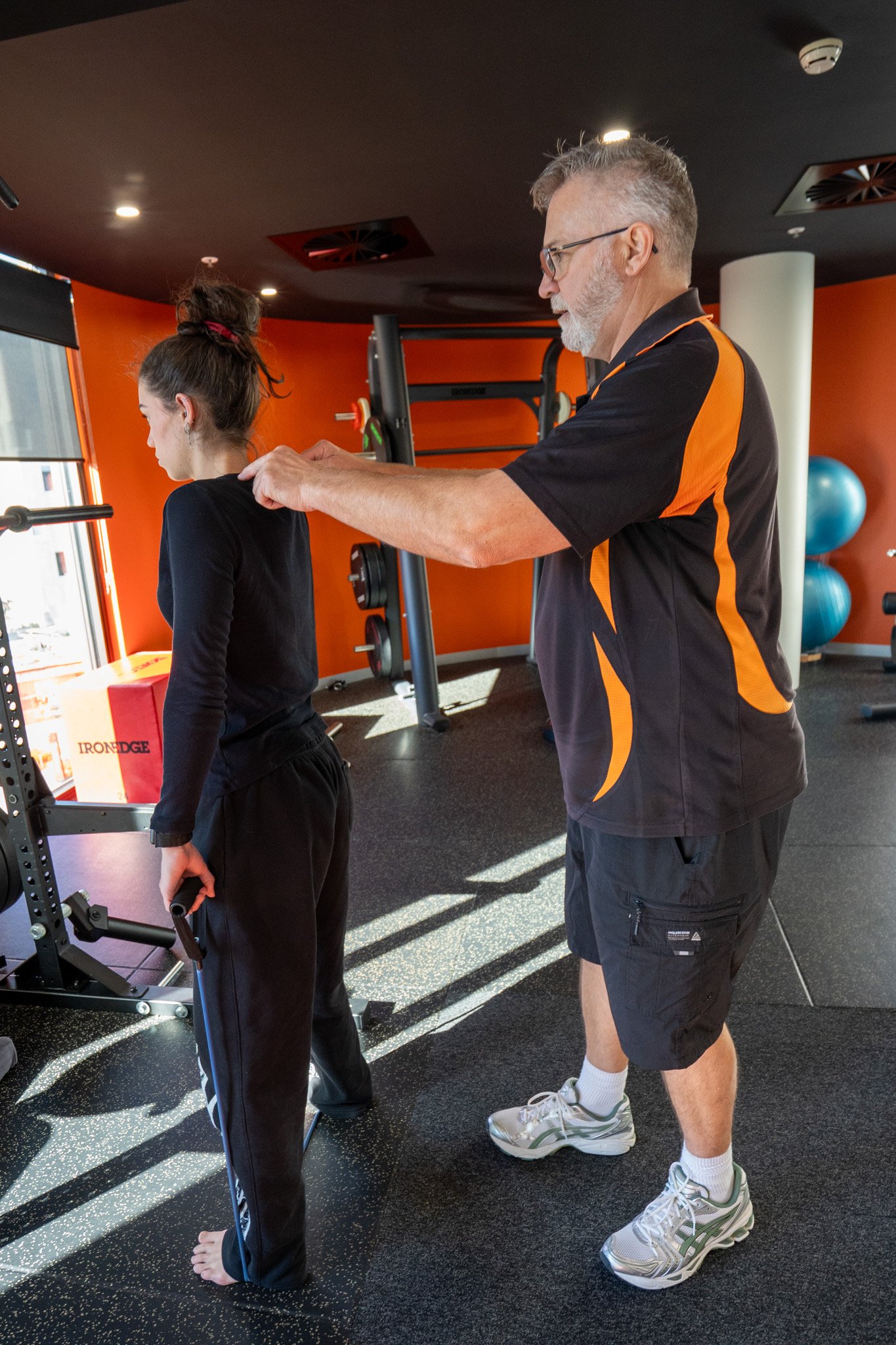
"Phil and Faye have treated me through years of rehab and pain management after injury. They have massively contributed to a full recovery."
“Good to know we have such a great service here on campus.”
Staff member ANU
Commonly treated in office workers, academics, and professionals working in and around the Canberra CBD and Acton.
Supporting recreational and competitive athletes across Canberra ACT.
Take the first step towards lasting relief. Phil is ready to listen, assess, treat and help with your treatment plan.
“Always feel better after a therapeutic massage – repeat sessions keep the body going strong. Thanks team.”