Every massage appointment begins with a brief assessment to understand your current condition and ensure your treatment is safe, effective, and tailored to your needs.
The process usually starts with a short discussion about your main concerns, including any pain, tightness, or movement restrictions you may be experiencing. You may also be asked about your general health, lifestyle, work demands, exercise habits, and any previous injuries or treatments.
This information helps identify possible contributing factors such as posture, muscle imbalance, overuse, or stress-related tension.
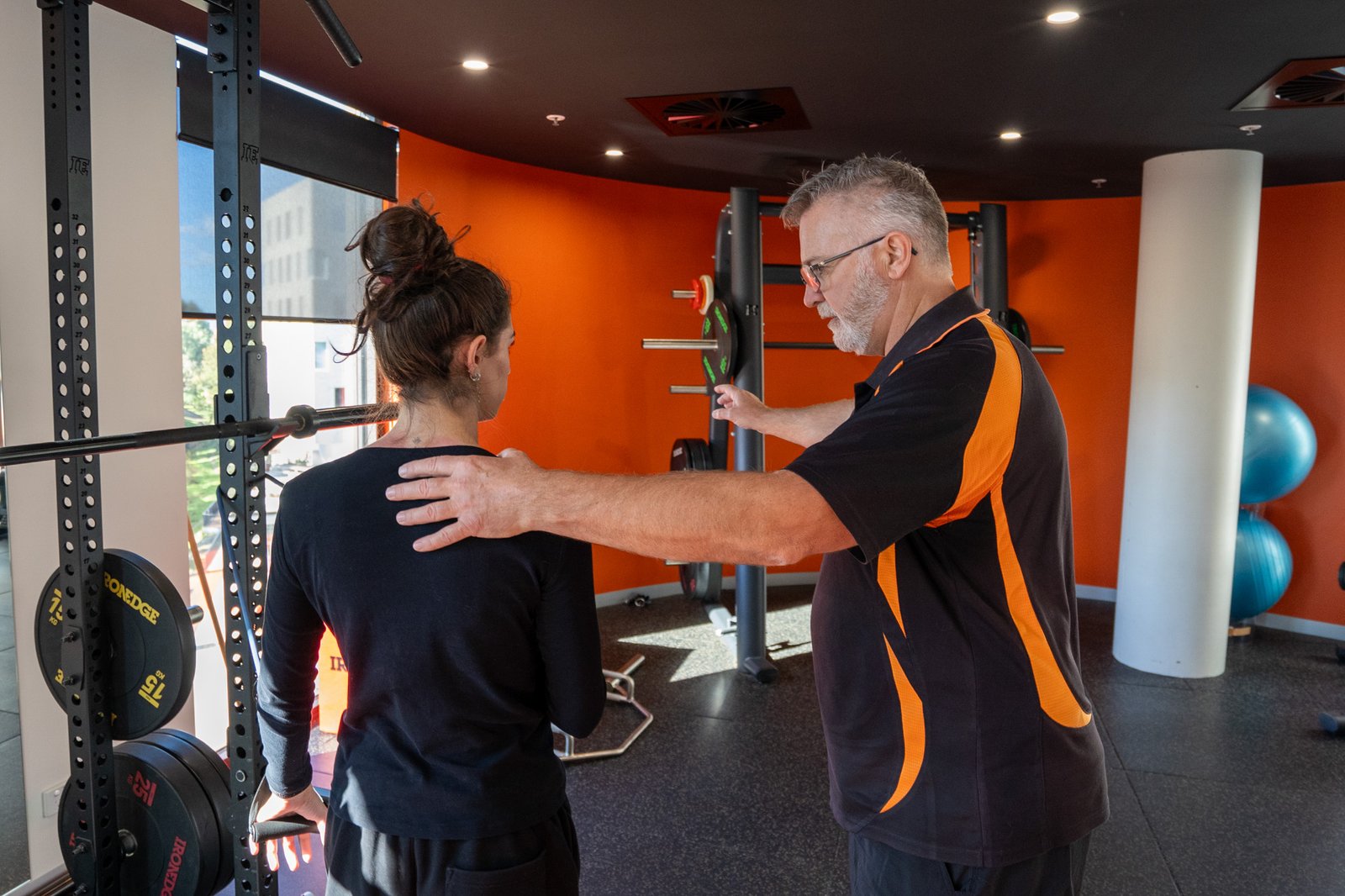
Following this discussion, a physical assessment may be carried out if appropriate. This can include observing posture, testing range of movement, and gently palpating (feeling) muscles to identify areas of tightness, sensitivity, or dysfunction.
Based on this assessment, a treatment plan is developed to address your specific needs. This may focus on relieving pain, improving mobility, reducing muscle tension, and supporting recovery or performance goals.
Your comfort is always a priority, and the assessment and treatment will be adjusted according to your preferences and tolerance.
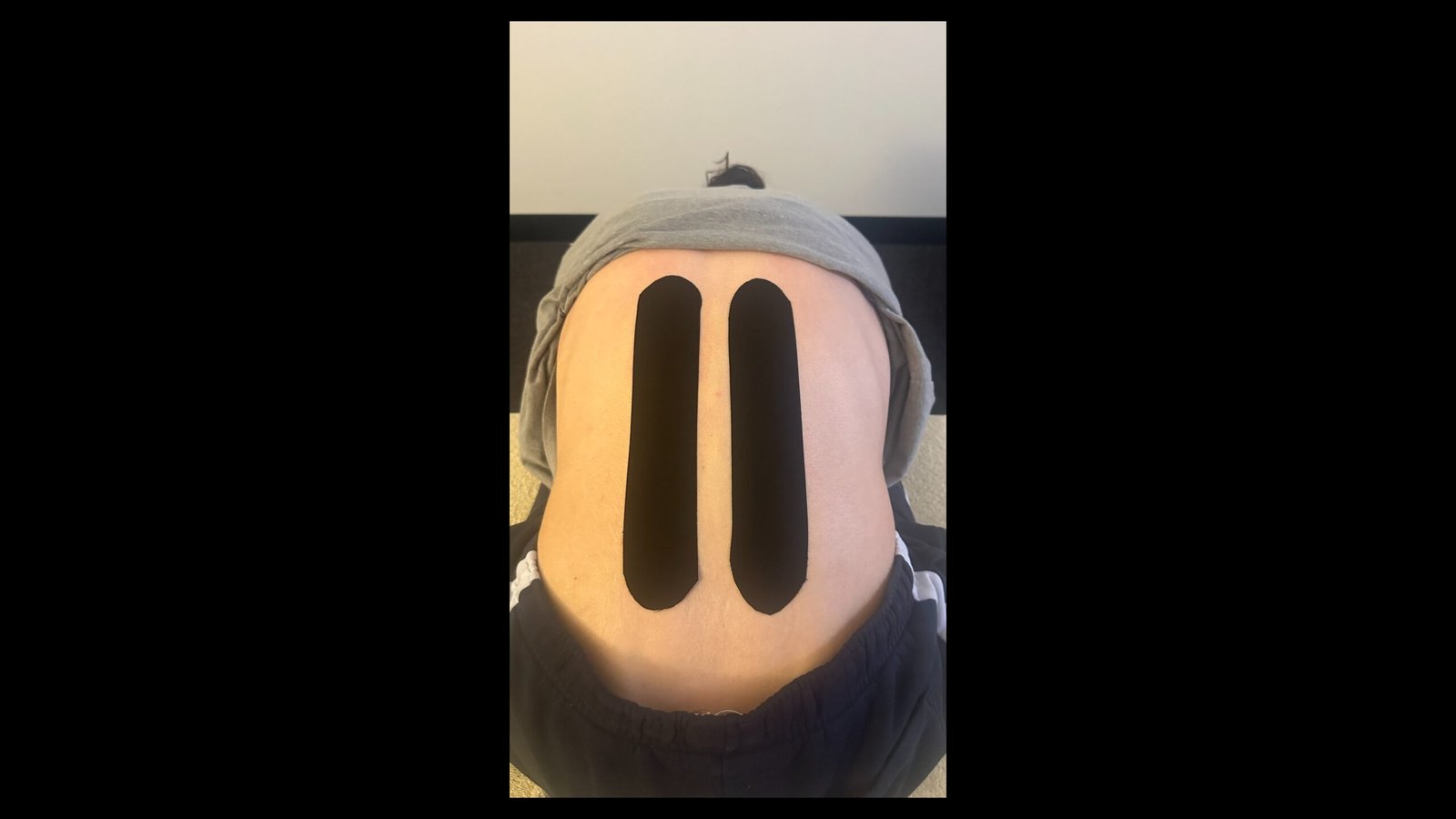
Treatment involves targeted manual therapy techniques designed to address areas of pain, tightness, and dysfunction within the muscles and soft tissues.
Using a combination of hands-on methods, treatment is focused on releasing tension, improving circulation, and restoring normal movement patterns.
Rehabilitation principles are also integrated where appropriate, supporting recovery and helping to address the underlying causes of your condition.
Each treatment is tailored to the individual, with the goal of improving mobility, reducing discomfort, and supporting long-term physical wellbeing and performance.
Recovery is supported through a progressive, individualised plan designed to achieve lasting results and reduce the risk of recurrence.
Following your treatment, the focus shifts to maintaining improvements in pain, mobility, and function over time. This may include advice on movement, posture, activity modification, and simple strategies to help reduce ongoing strain in daily life, work, or sport.
Where appropriate, rehabilitation principles are incorporated to gradually restore strength, flexibility, and balanced movement patterns.
The aim is not only short-term relief, but also long-term improvement — helping you move better, recover more effectively, and prevent future issues from developing.
Restoring normal movement is an important part of recovery, especially when pain, stiffness, or injury has limited how freely your body moves.
The goal is to restore comfortable, functional movement so you can return to daily activities, work, or sport with greater ease and confidence.
Rebuilding strength and endurance is an important part of recovery, helping to support injured areas and reduce the risk of future issues.
The aim is to build strength gradually and safely, ensuring the body is well-supported for long-term recovery and performance.
Every massage appointment begins with a brief assessment to understand your current condition
and ensure your treatment is safe, effective, and tailored to your needs.
The process usually starts with a short discussion about your main concerns, including any pain,
tightness, or movement restrictions you may be experiencing. You may also be asked about your
general health, lifestyle, work demands, exercise habits, and any previous injuries or treatments.
This information helps identify possible contributing factors such as posture, muscle imbalance,
overuse, or stress-related tension.
Following this discussion, a physical assessment may be carried out if appropriate. This can include:
Based on this assessment, a treatment plan is developed to address your specific needs. This may
focus on relieving pain, improving mobility, reducing muscle tension, and supporting recovery or
performance goals.
Your comfort is always a priority, and the assessment and treatment will be adjusted according to
your preferences and tolerance.
Treatment involves targeted manual therapy techniques designed to address areas of pain, tightness,
and dysfunction within the muscles and soft tissues.
Using a combination of hands-on methods, treatment is focused on releasing tension, improving
circulation, and restoring normal movement patterns. This may include working into specific areas
of restriction identified during your assessment to help reduce pain and improve function.
Rehabilitation principles are also integrated where appropriate, supporting recovery and helping to
address the underlying causes of your condition. This may involve guidance around movement,
posture, and activity to reduce strain and prevent recurrence.
Each treatment is tailored to the individual, with the goal of improving mobility, reducing
discomfort, and supporting long-term physical wellbeing and performance.
Treatment involves targeted manual therapy techniques designed to address areas of pain, tightness,
and dysfunction within the muscles and soft tissues.
Using a combination of hands-on methods, treatment is focused on releasing tension, improving
circulation, and restoring normal movement patterns. This may include working into specific areas
of restriction identified during your assessment to help reduce pain and improve function.
Rehabilitation principles are also integrated where appropriate, supporting recovery and helping to
address the underlying causes of your condition. This may involve guidance around movement,
posture, and activity to reduce strain and prevent recurrence.
Each treatment is tailored to the individual, with the goal of improving mobility, reducing
discomfort, and supporting long-term physical wellbeing and performance.
Restoring normal movement is an important part of recovery, especially when pain, stiffness, or
injury has limited how freely your body moves. Treatment is focused on gradually improving
mobility in a safe and structured way.
The process typically involves:
The goal is to restore comfortable, functional movement so you can return to daily activities, work,
or sport with greater ease and confidence.
Rebuilding strength and endurance is an important part of recovery, helping to support injured areas
and reduce the risk of future issues. A progressive approach is used to restore healthy movement,
stability, and functional capacity.
The aim is to build strength gradually and safely, ensuring the body is well-supported for long-term
recovery and performance.
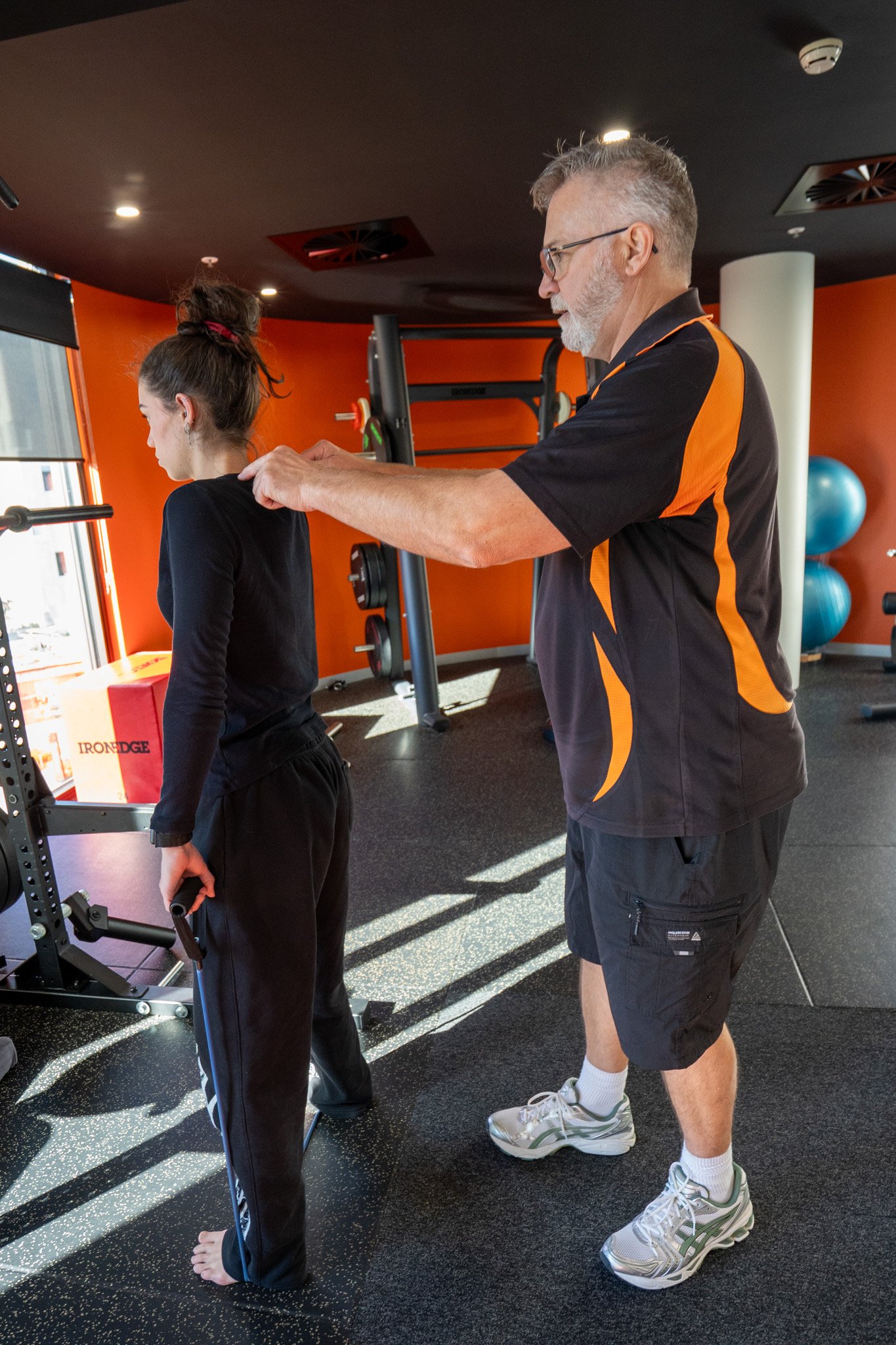
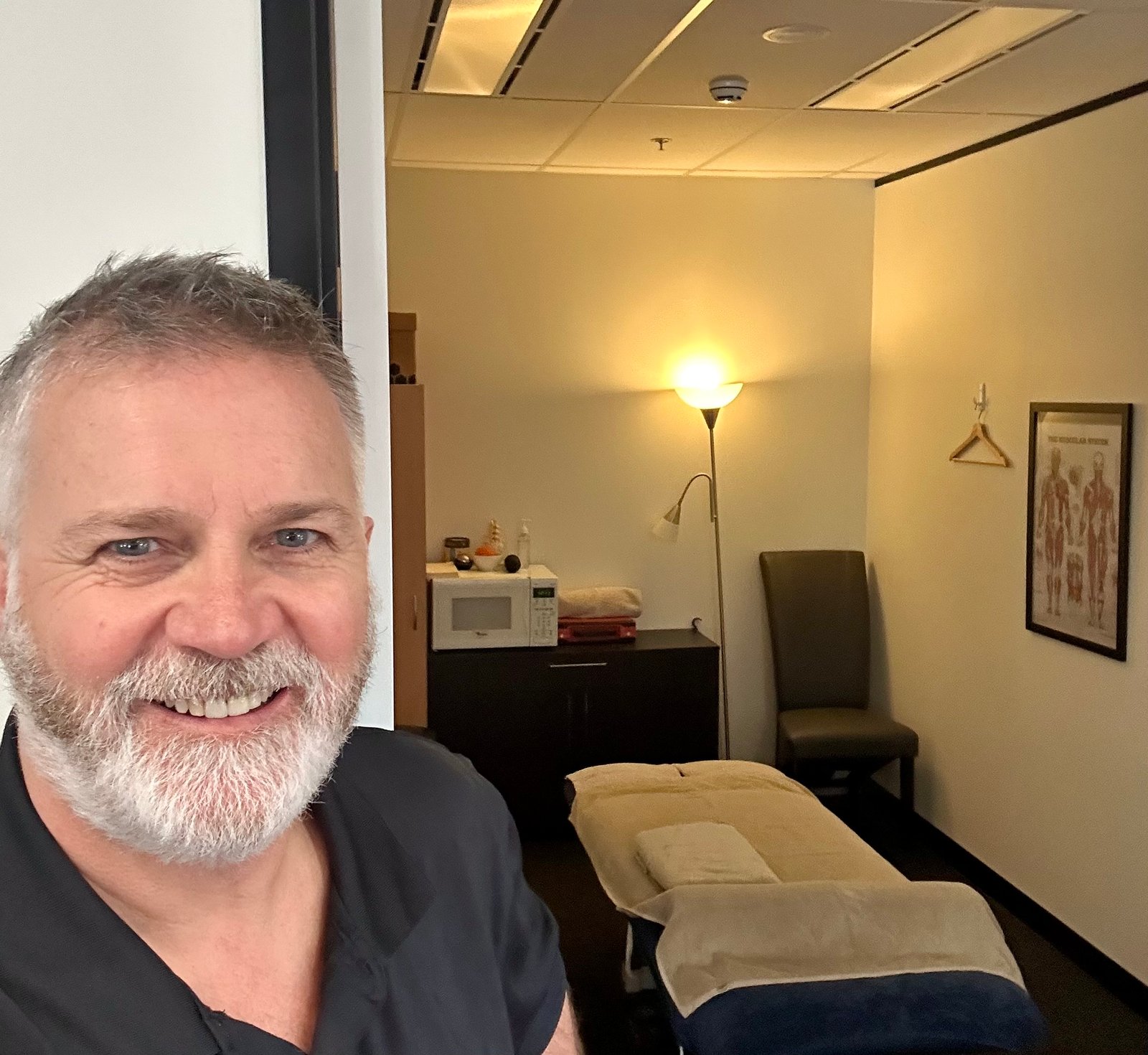
Take the first step towards lasting relief. Phil is ready to listen, assess, treat and help with your treatment plan.